
Peptides Are Everywhere. Digital Patient Twins Can Help You Navigate Them Safely.
Why the peptide revolution needs personalized simulation.
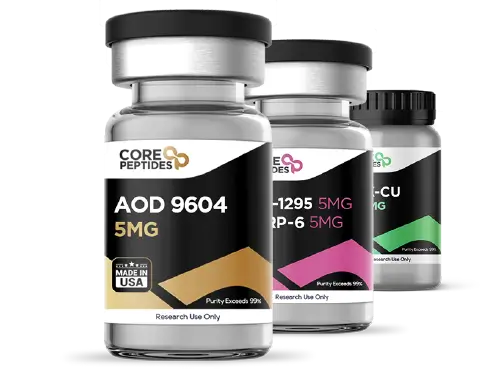
If you’ve spent any time on social media in the past two years, you’ve seen the peptide wave. From semaglutide and tirzepatide dominating weight loss conversations to BPC-157 becoming a household name in the biohacking community, peptides have moved from niche clinical tools to mainstream wellness products. The global peptide therapeutics market is projected to exceed $80 billion by 2030, and consumer demand is accelerating faster than the clinical evidence can keep up.
That gap;between explosive demand and personalized safety data is exactly where Digital Patient Twins (DPTs) come in.
The Problem: One-Size-Fits-All in a Personalized Biology World
Right now, peptide selection is driven primarily by anecdote. Someone sees a transformation on TikTok, reads a Reddit thread on dosing protocols, and orders from a compounding pharmacy or grey-market supplier. The implicit assumption is that if a peptide worked for one person, it will work the same way for everyone.
But biology doesn’t work that way. A person’s metabolic profile, hormonal baseline, genetic predispositions, existing medications, and even gut microbiome composition all influence how they’ll respond to a given peptide. What produces dramatic weight loss in one person might cause debilitating nausea in another. What accelerates tissue repair for one patient might have negligible effects for someone with a different inflammatory profile.
The peptide community has essentially crowdsourced dosing protocols and selection criteria. That’s not science it’s trial-and-error at population scale, with individuals bearing all the risk.
What Are Digital Patient Twins?
A Digital Patient Twin is a computational model that simulates an individual patient’s response to treatments. Built on physiological modeling, clinical data, and machine learning, DPTs can predict how a specific person not an average patient in a clinical trial will respond to a given intervention.
At Infiuss Health, we’ve developed DPT technology that has demonstrated a 38% reduction in required patient numbers and over six months saved per clinical trial across 13 completed studies. Our technology is already used by regulatory bodies and pharmaceutical companies to optimize clinical trial design and predict treatment outcomes.
Now imagine applying that same simulation power to the peptide decisions people are making every day.
Four Ways DPTs Can Transform the Peptide Experience
1. Personalized Peptide Matching
Instead of following the crowd, a DPT can model whether your specific metabolic and hormonal profile makes you a strong candidate for semaglutide, tirzepatide, or another GLP-1 receptor agonist. This is particularly critical given ongoing supply shortages that push patients toward compounded versions with variable quality and bioavailability. A DPT doesn’t just tell you which peptide it tells you whether a peptide is the right approach for your specific situation.
2. Interaction Modeling for Peptide Stacking
One of the most concerning trends in the peptide space is unsupervised stacking combining multiple peptides simultaneously (BPC-157 with TB-500, GLP-1 agonists with growth hormone secretagogues, etc.). These combinations have never been studied in controlled trials because they were never designed to be used together. A DPT can simulate compound interactions within an individual’s physiological model, flagging potential risks that no clinical trial has ever evaluated.
3. Dosing Optimization
Peptide dosing protocols are largely community-driven, with titration schedules passed around forums and Discord servers. A DPT can simulate dose-response curves for an individual, identifying the minimum effective dose rather than the standard escalation protocol. This reduces side effects, saves money on expensive compounds, and provides a data-driven foundation for what is currently guesswork.
4. Safety Screening and Contraindication Detection
Some peptides carry serious risks for specific populations. Semaglutide and tirzepatide, for example, carry boxed warnings about medullary thyroid carcinoma risk a concern for anyone with a personal or family history. GLP-1 agonists also interact with insulin and sulfonylureas in ways that can cause dangerous hypoglycemia. A DPT can screen for these contraindications before a patient ever begins treatment, serving as a personalized safety net that many peptide clinics and telehealth platforms currently lack.
The Bigger Picture: Precision Meets Consumer Health
Peptides are where supplements were fifteen years ago massive consumer demand outpacing clinical evidence, regulatory frameworks struggling to keep up, and individuals making consequential health decisions based on incomplete information. The difference is that peptides are significantly more potent, with real pharmacological effects and real risks.
Digital Patient Twins don’t position against the peptide movement. They position as the bridge between consumer demand and personalized safety. The goal isn’t to discourage peptide use it’s to ensure that every person making a peptide decision has access to the same caliber of predictive modeling that pharmaceutical companies use in clinical trials.
The peptide revolution is already here. The question is whether it will be guided by influencer anecdotes or by computational precision. At
At Infiuss Health, we’re building the tools to make it the latter.
Want to learn more about how Digital Patient Twins are transforming treatment optimization? Visit infiuss.com or reach out to our team to explore how DPT technology can support your clinical and commercial peptide programs.